

2026 Livestream Agenda
Uniting For Impact: How Centerstone & Brightli’s Strategic Growth & Vision Are Shaping The Future Of Behavioral Health
Two of the nation’s leading nonprofit behavioral health organizations—Centerstone and Brightli—have come together in a groundbreaking merger designed to expand access, strengthen sustainability, and drive innovation in care. In this keynote session, leaders from both organizations will share their vision, lessons learned, and the strategic priorities guiding this transformational alignment. Join this forward-looking conversation to learn how strategic growth through partnership can accelerate impact and reimagine what’s possible for behavioral health organizations nationwide.
Attendees will gain an inside look at how the merger is positioning the combined organization to:
- Enhance service delivery across communities and populations with complex needs
- Leverage scale and shared resources to invest in workforce development and technology
- Navigate market uncertainty while advancing mission-driven care
- Shape the broader behavioral health landscape through collaboration and innovation
David C. Guth, Jr.

David Guth is Centerstone’s Chief Executive Officer, a nonprofit health system specializing in mental health and substance use disorder treatments. Guth has more than 40 years of health care leadership and has served as Centerstone’s Chief Executive Officer since 1991. Under his leadership, the organization has grown from $6M in revenues and 300 staff serving 2,000 individuals to revenues of $1.1 billion and over 10,000 staff serving more than 250,000 people each year.
Guth has served on the Board of Directors for many notable organizations, including Triad Learning, the Executive Committee of the National Action Alliance for Suicide Prevention, and the Board of Visitors for the University of Tennessee’s College of Social Work. He is highly regarded in the industry and has received many recognitions, including the National Council Visionary Leadership award, Nashville Business Journal’s Health Care Power Leaders Award, and the Douglas Henry Award for Service to Children and Families at Risk from the University of Tennessee’s College of Social Work. Guth also works as an industry consultant, primarily in the area of affiliations, mergers, and acquisitions. The National Council for Behavioral Health published Guth’s book on mergers, “Strategic Unions: A Marriage Guide to Healthy Not-for-Profit Mergers.”
Guth graduated from Vanderbilt University with a bachelor’s degree in mathematics and from the University of Tennessee with his master’s degree in social work administration and planning.
CJ Davis
Dr. C.J. Davis is CEO-elect at Centerstone, a nonprofit health system specializing in mental health and substance use disorder treatments. Davis is a nationally recognized leader in behavioral health and a foremost expert in building affiliations that expand access to life-saving and life-changing care. With more than 30 years of experience as both an executive and a clinical psychologist, Davis has dedicated his career to ensuring that individuals and families can reach the compassionate, comprehensive care they need—when and where they need it.
Prior to joining Centerstone, Davis served as President and CEO of Burrell Behavioral Health and later as CEO of Brightli, Inc., the parent company of Burrell, Preferred Family Healthcare, Southeast Missouri Behavioral Health, Comprehensive Mental Health Services, and other affiliates. Under his leadership, Brightli became one of the nation’s largest nonprofit behavioral health systems, employing more than 5,000 people across 200 locations in five states and generating nearly $600 million in annual revenue.
Widely regarded as a national leader in behavioral health affiliations, Davis has led or been instrumental in more than 10 major mergers and partnerships, uniting organizations around shared missions, cultures, and visions. His leadership philosophy centers on improving access, advancing the delivery of care, and driving innovation to meet the evolving needs of a rapidly changing healthcare landscape. From integrating behavioral health and primary care to scaling community-based programs, Davis has worked to design systems that break down barriers and deliver meaningful outcomes for those they serve. His career spans nearly every level of behavioral healthcare including community treatment, residential programs, inpatient services, and criminal justice settings across Missouri, Pennsylvania, and Indiana.
He currently serves on the boards of MHCA and his alma mater, Culver-Stockton College. His leadership has been widely recognized: Biz 417 Magazine named him one of its “10 for the Next 10,” and theSpringfield Business Journal honored him as both a Man of the Year (2019) and CEO of the Year (2021). Davis earned his Bachelor of Science in Psychology, Master of Science in Clinical Counseling Psychology, and Doctorate in Clinical Psychology. Through every affiliation, innovation, and partnership, he remains committed to one unifying purpose: building stronger systems that expand access, elevate care, and create healthier communities.
Beyond The Blueprint: Real-World Case Studies In Implementing Whole Person Care
This session will spotlight leaders from behavioral health, primary care, housing, and justice-involved services who have successfully operationalized integrated care. Presenters will walk through implementation lessons learned—navigating barriers like EHR interoperability, workforce challenges, and care coordination bottlenecks—offering actionable guidance and KPI insights for peers.
Wayne Young, MBA, LPC, FACHE

As the Chief Executive Officer of one of the largest behavioral health organizations in the nation, Wayne Young is passionate about the planning and delivery of large-scale behavioral health and intellectual and developmental disabilities services to a population who rely upon safety net systems of care. Wayne previously served as the chair of the Texas Health and Human Services Commission’s Behavioral Health Advisory Council and currently services on Texas HHSC’s Joint Forensic Committee on Access and Forensic Services. He was recently appointed by the Supreme Court of Texas to the Texas Judicial Commission on Mental Health and also service as a board member of the National Association of Addiction Treatment Providers. Wayne was honored to have received the Charley H. Shannon Advocate for Justice Award from NAMI Texas in 2019 as well as to have been named to Modern Healthcare’s list of Top 25 Innovators in 2019 and again 2021. In 2023, Wayne was recognized as one of Houston’s Most Admired CEO’s. While honored by individual recognitions, Wayne is most proud to have been a part of The Harris Center as it received the Excellence Award for Innovation from the National Council on Behavioral Health and was named as a Best Place to Work by The Houston Business Journal who also honored them with a Diversity in Business Award in 2023 and 2024.
The Harris Center for Mental Health and IDD is the state-designated Local Mental Health Authority and Local Intellectual and Developmental Disability Authority for Harris County, Texas.
Shaping The Next Generation Of Care Models: AI’s Role In Behavioral Health, I/DD & ASD Support
Sponsored By: 
AI isn’t just a future idea anymore—it’s already changing how organizations deliver care, manage documentation, and support people in real-world settings.
This session explores how AI is transforming behavioral health, I/DD, and autism services today while opening new possibilities for the future. We’ll examine the operational, clinical, and financial pressures organizations are navigating—staffing shortages, accountability requirements, shifting Home and Community-Based Services (HCBS) and Least Restrictive Environment (LRE) expectations. You’ll see how AI is helping leaders respond with greater efficiency and accuracy while identifying opportunities to preserve existing revenue and unlock new funding streams.
The discussion highlights real-world applications that reduce administrative burden, ensure documentation accuracy and reliability, and support evidence-based practices. Attendees will also see AI in action, with practical examples of how these tools can support daily workflows, monitor progress, and guide decision-making in real-world care settings.
The session focuses on how AI-powered tools can empower providers, reinforce high-quality care, and create new pathways for sustainability so that technology enhances, rather than replaces, the human impact at the center of this work.
Learning Objectives
- Understand techniques and tools you can use to protect and grow revenue in this challenging time
- See how AI-driven intelligence is transforming behavioral health through practical, real-world applications.
- Explore how AI can enhance evidence-based, least-restrictive, natural-environment services across I/DD and autism care.
- Identify trends, risks, and strategic pathways to translate AI innovation into sustainable operational and financial impact.
Terence Blackwell

Terry Blackwell is a seasoned leader with operational expertise in managing budgets, program requirements, risk mitigation, funding, and people. Terry brings more than three decades of diverse leadership experience serving the needs of people with disabilities. A recognized thought leader among his peers, Terry is a regular presenter at the national level for Applied Behavior Analysis International.
Notably, Terry helped lead the development of the country’s only I/DD- and autism-focused ACO. During the establishment of this entity, he worked with NCQA to impact national policy to accommodate the special needs of the I/DD and ASD (Autistic Spectrum) populations.
Previously, Terry was the Chief Executive Officer for Chimes International, a large multi-service nonprofit operating in the mid-Atlantic and in partnership with Chimes Israel in Tel Aviv. He worked closely with the board of directors of the parent company and the six affiliate companies in developing a coherent voice and outward-facing presence to external stakeholders. Terry also created new and exciting program ventures within the company, consistent with the evidence-based best practices in the fields of integrated supported work I/DD, autism, and behavioral health.
Terry was also the Chief Operating Officer for Services for the Underserved (SUS), a nonprofit organization that provides services to people with autism, intellectual disabilities, behavioral health, mental health, and substance abuse issues as well as veterans’ services in a variety of coordinated and integrated care models. In this role, Terry provided operational leadership and oversight for this 187-million-dollar social services agency with 2,000 employees. He also co-created and co-chaired a 2.8-billion-dollar membership group of I/DD provider organizations oriented to aligning best practices in the field for managed care impact in Pennsylvania.
Before SUS, Terry was the Vice President of Operations for Fedcap, Inc., a 75-year-old NYC-based nonprofit serving over 1,000 clients with special needs throughout the New York metropolitan area, where he identified and developed associated license and programs for persons who have lifetime disabilities that may qualify for supports through federal and state initiatives.
Terry also served as the Chief Executive Officer of Developmental Delay Rehabilitation Services, Inc., where he provided direction and oversight for fiscal, programmatic, and development function of a New York State Education Department and New York State Department of Health approved home and community-based early intervention and early childhood program. The program was referenced by key national autism experts as a “best practices publicly funded services for autism” program in the Northeast.
In addition to earning his Master of Science degree in Psychological Services from the University of Pennsylvania, including attendance at the Wharton School, Terry is a Licensed School Principal, Board Certified Behavior Analyst, and Certified Addictions Specialist. He earned his Bachelor of Science degree in Psychology from Saint Peter’s University.
Ravi Ganesan

Ravi Ganesan is the founder and CEO of Core Solutions, where he leads the revolution in behavioral health through artificial intelligence and other cutting-edge technologies. With over 25 years of dedication, Ravi has addressed the unique challenges of the health and human services industry by developing innovative EHR technology, significantly improving treatment outcomes. His deep expertise in healthcare and technology, combined with a strong commitment to customer satisfaction, has established Core Solutions as a leading software provider nationwide.
Under his leadership, Core Solutions has pioneered AI-driven solutions for clinical documentation, treatment planning, and care delivery optimization in behavioral health settings. As CEO, Ravi has successfully established partnerships with large providers, government agencies, and leading management consulting firms to improve treatment for behavioral health and intellectual and developmental disability services.
Ravi is a recognized thought leader and frequent speaker on AI implementation, data-driven decision-making, and digital transformation in healthcare. Ravi received his M.B.A. from St. Joseph’s University in Philadelphia.
Stratify, Engage, Intervene: Models & Workflows For Integrating Teams In Whole Person Care
Featuring models that use risk stratification to deploy multi-disciplinary teams with precision, this session explores how organizations are prioritizing high-need populations using real-time data and structured workflows. Panelists will share tools and algorithms that inform staffing, outreach, and treatment planning across quadrants of behavioral and physical health complexity.
Amanda Zwirecki, MSEd

Amanda Zwirecki, MSEd is the Director of Evaluation at Endeavor Health Services, where she oversees Evaluation, Quality Improvement, and the Population Health Departments across all programming, including SAMHSA grant-funded initiatives. With more than 10 years of experience in behavioral health, training, and workforce development, Amanda is dedicated to strengthening service quality through data-informed decision-making, education, and continuous improvement. She works closely with clinical and non-clinical staff to translate learning into practice and improve systems of care, with a focus on enhancing client outcomes and overall community health. Amanda is a graduate of the Health Foundation for Western and Central New York Leadership Fellows program and an active member of the American Evaluation Association (AEA).
Chloe Hurley, MPH

Chloe Hurley, MPH is the Coordinator of Population Health at Endeavor Health Services in Buffalo, NY. She has worked within Certified Community Behavioral Health Clinics (CCBHC) and primary care practices for over 7 years. Chloe is a certified practice facilitator in the primary care setting and has designed, implemented, and evaluated whole person approaches to care. She currently supports the project management of a SAMHSA CCBHC Improvement and Advancement Grant as well as a Critical Time Intervention (CTI) Team in New York State. Chloe holds a Master of Public Health with a concentration in health policy and a micro-credential in health care operations from Vanderbilt University School of Medicine.
Teaching AI To Behave: Organizational Intelligence In Behavioral Health
Sponsored By: 
How Legal Guardrails, Clinical Judgment, and IT Governance Shape Safe AI Adoption
Behavioral health organizations are rapidly adopting AI to address documentation burden, compliance risk, and workforce strain — but most AI tools are designed to be generic, context-agnostic, and detached from organizational reality.
In this session, we introduce the concept of Organizational AI: an approach where AI is intentionally designed to behave in alignment with an organization’s legal obligations, clinical governance, state and county requirements, accreditation standards, and risk tolerance.
Led by a behavioral health technology CEO, the CIO of a large community behavioral health organization, and a nationally recognized behavioral health attorney, this session explores how AI is being implemented in practice — not theory.
Through a real-world case study, speakers will examine how:
- Legal guardrails (HIPAA, 42 CFR Part 2, consent, and data segmentation) shape AI system design
- Clinical judgment is preserved through clinician-in-the-loop oversight, ensuring AI supports — never replaces — care decisions
- IT and compliance leaders operationalize AI governance across state, county, payer, and accreditation requirements
Rather than focusing on tools or models, this session provides a decision framework for leaders evaluating AI as an organizational capability — one that must reflect mission, regulation, and clinical values.
Attendees will leave with:
- A new way to distinguish organizational AI from generic AI
- Practical insight into how legal and regulatory constraints inform AI design
- A governance blueprint for safe, scalable AI adoption in behavioral health
Norman Racine

Norman Racine is an accomplished technology executive with more than 20 years of leadership experience spanning healthcare, non-profit, telecommunications, manufacturing, and distribution industries. Most recently, he has served as Chief Information Officer (CIO) at Sycamores, where he oversees IT strategy, infrastructure evolution, security, and business process innovation in support of the organization’s mission.
In previous leadership roles, he has directed enterprise system modernization, strengthened cybersecurity and compliance in highly regulated environments, led cloud migrations, and managed large-scale IT operations with multimillion-dollar budgets and teams of over 100 professionals. His other work has included enterprise architecture design, acquisition integrations, and international technology initiatives across Europe, South America, and North America. With a focus on aligning technology to organizational goals, he has consistently delivered secure, scalable solutions that balance innovation with cost efficiency.
Ross Young

Ross is an experienced executive and revenue leader, passionate about driving growth while making a positive impact on society. As the Chief Executive Officer of Clinically AI, Ross is at the forefront of integrating AI into health care to enhance the efficiency and effectiveness of clinical documentation. He is dedicated to leveraging technology to solve real-world problems faced by behavioral and physical health care professionals. By automating administrative tasks, Ross helps clinicians focus more on patient care. Committed to advancing medical technology while upholding the highest standards of privacy and compliance, Ross is leading efforts to transform health care documentation and improve clinician well-being.
What To Expect From Your CIN & What Can A ONEcare Network Do For Your Agency & Community?
A Clinically Integrated Network is a self-governed group of provider agencies working together to deliver efficient & coordinated care to its attributed members & clients. Provider members hold themselves accountable for performance and quality improvement. CIN’s negotiate incentive-based contracts with payors tied to specific quality targets and participate in a shared governance structure, encouraging providers to lead and drive their own destiny. You will hear in this session what a provider agency should expect when joining any Clinically Integrated Network, and how a ONEcare CIN meets and exceeds those expectations.
Deb Aldridge

Deb Aldridge, a seasoned healthcare professional with over 28 years of experience, specializes in Practice Transformation, Clinical Informatics, and Quality Improvement. Currently serving as Chief Networking Officer at Alera Health, she leads a multidisciplinary team in identifying improvement opportunities across healthcare settings and driving meaningful improvement. Deb’s role involves mentoring staff and providing direct practice coaching to ensure alignment with organizational goals. Her extensive expertise stems from previous work at Community Care of North Carolina and the Beacon Community Program nationally, where she spearheaded cross-functional quality improvement projects and implemented cutting-edge health IT solutions. Throughout her career, Deb has demonstrated a commitment to advancing healthcare through innovation and collaboration. Her leadership and expertise make her a trusted resource in the field, driving transformative change and optimizing patient care outcomes through the integration of technology and process improvement initiatives.
Patrice Clayton

Patrice Clayton is a dynamic and results-driven healthcare leader with a distinguished track record in network expansion and population health management. With a dedicated focus on improving access to care and enhancing health outcomes, Patrice has been instrumental in making significant strides in the healthcare field.
Patrice is committed to driving organizational growth through the development and execution of comprehensive strategic initiatives. She excels in leading cross-functional teams and identifying opportunities for operational excellence. Known for building strong relationships with key stakeholders, Patrice fosters a collaborative and high-performance culture within organizations.
As a subject matter expert in patient engagement and health equity, Patrice leverages current methodologies to drive initiatives that enhance access to care and promote health equity. Her passion and expertise have made her a pivotal figure in advancing healthcare delivery and improving the well-being of diverse populations.
Driving Impact Through Integrated Measurement-Based Care
Sponsored By: 
Measurement-Based Care (MBC) is a foundational element of evidence-based behavioral health care and is increasingly required by national accrediting bodies. Yet despite strong evidence demonstrating that MBC improves clinical outcomes, strengthens patient engagement, and supports better clinical decision-making, adoption remains limited. A major barrier is not a lack of buy-in, but the burden created by disconnected workflows, duplicative data entry and lack of automation, adding time and friction to already stretched clinical teams.
In this collaborative session, Qualifacts, Greenspace Health and Community Health Resources (CHR) will explore MBC, its benefits and the advantages of implementing it through an integrated, EHR-enabled approach. CHR will share their MBC journey; why they adopted it, the outcomes they aim to achieve and how embedding MBC directly into their EHR has been key to driving adoption and maximizing impact.
Key Takeaways Include:
- Learning how MBC enhances clinical outcomes, strengthens patient engagement and supports informed decision-making in behavioral health.
- Discovering the benefits of integrating MBC into an EHR-enabled workflow and strategies for overcoming common adoption challenges.
- Hearing CHR’s journey, including why they adopted MBC, the outcomes they aim to achieve and how embedding it into their EHR will drive measurable impacts.
Jennifer Nadeau, LCSW

Jennifer Nadeau serves as Senior Vice President of Child & Family Services at Community Health Resources (CHR), where she oversees a comprehensive continuum of programs including crisis services, outpatient and school-based clinics, residential programs, intensive home-based therapy, foster care, and family support services.
Since joining CHR in 2009, Jennifer has advanced through multiple leadership roles, previously directing child and family outpatient clinics, evidence-based community programs such as Functional Family Therapy (FFT) and Multidimensional Family Therapy (MDFT), along with school-based therapy programs. She began her career as a therapist in 2006 and is widely recognized for her expertise in evidence-based, trauma-focused outpatient services for children, adolescents, and families. Jennifer is also a statewide trainer in Connecticut for the Modular Approach to Therapy for Children with Anxiety, Depression, Trauma or Conduct Problems (MATCH-ADTC) model.
Throughout her tenure at CHR, Jennifer has spearheaded the development and successful launch of innovative programs that address emerging needs in the community, foster cross-disciplinary collaboration, and expand access to high-quality behavioral health care. Her leadership has been instrumental in shaping services that are both responsive and sustainable, ensuring that children and families receive the support they need to thrive.
Jennifer is passionate about leveraging real-time data to evaluate program outcomes and drive continuous improvement. She is also recognized for her leadership in innovation and system change, actively participating in regional, statewide, and national trainings and collaboratives focused on child and family services.
She earned her undergraduate degree in Psychology from Franklin Pierce University and her Master of Social Work (MSW) with a focus in serving Children & Families from Loyola University Chicago School of Social Work.
Adrian Rizos

Adrian leads the Channel Partnerships team at Greenspace Health, where he works with Behavioral Health EHR providers to support their customers’ adoption of integrated Measurement-Based Care. Prior to joining Greenspace, Adrian spent 7 years in healthcare software at PointClickCare, where he helped North America’s largest skilled nursing facility operators make strategic technology investments to enhance their clinical, financial, and operational workflows. He’s passionate about technology’s ability to improve mental healthcare for those who need it most.
Kevin McKnight

Kevin McKnight brings more than two decades of experience building trusted, transformative partnerships across the healthcare landscape. In his role at Qualifacts, he supports behavioral health agencies across the southern United States by helping leaders navigate complex technology decisions, modernize care delivery, and strengthen operational outcomes through relationship‑driven collaboration. Known for his consultative approach and ability to translate real‑world provider needs into clear, sustainable solutions, Kevin excels at uniting stakeholders, aligning executive vision, and shaping strategies that improve access, elevate client experience, and advance community impact. His career—including leadership roles at Concord Technologies, Concert Genetics, and national healthcare organizations—reflects a deep commitment to helping providers thrive through strong partnerships and shared purpose.
The Intelligence Layer: What Smart Infrastructure Looks Like In Practice
Sponsored By: 
In an era of evolving policy and tightening budgets, human services organizations need more than static reports. They need agile, actionable insights. Join Radicle Health to walk through a real-world customer example of how reporting, AI, and data tools empower agencies to adapt quickly, optimize resources, and stay mission-focused during periods of change. This session blends strategy with story, highlighting how one organization uses flexible, granular data access to drive smarter decisions and sustainable growth. Attendees will leave with best practices, and a clear sense of how the right tools can make data actionable and accurate.
Eric Severance

Eric Severance has dedicated 25 years to the non-profit sector, specializing in supportive housing, with the last seven years focused on data management at The Bridge. His role has evolved to encompass oversight of Quality Improvement initiatives, where he integrates Quality Assurance, Auditing, Training, and Program Evaluation through a data-driven approach. Since joining The Bridge in 2005, Eric has worked extensively with Radicle’s AWARDS platform, beginning as an end user before taking on management of the internal helpdesk in 2019. He now oversees special projects and new initiatives aimed at transforming the agency’s Electronic Health Record system into a vital tool for serving vulnerable populations across New York City.
Kevin O’Connor

Kevin O’Connor is the Chief Revenue Officer at Radicle Health, where he leads go-to-market strategy across sales, marketing, and revenue operations. With over 20 years in healthcare and enterprise SaaS, Kevin has built and scaled high-performing teams through rapid growth and private-equity-backed expansion. He brings a disciplined, customer-centered approach to revenue strategy—turning complex challenges into scalable partnerships and measurable outcomes. Known for his collaborative leadership and data-driven decisions, Kevin is passionate about creating lasting value for customers and the communities they serve.
Alex Attinson
Alex Attinson is a Group Product Manager at Radicle Health with more than 16 years of experience building technology solutions for human services organizations. Alex works across data, AI, billing, and interoperability, focusing on how smart infrastructure can turn complex information into actionable insight. Alex began his healthcare journey as a volunteer EMT, an experience that continues to ground their work in working with human service agencies. Throughout his career, Alex has partnered closely with provider organizations to help them make better use of their data, strengthen performance management, and connect more effectively with the broader healthcare ecosystem. Alex holds a BA from Emory University.
Sustainable Health Plan Relationships: Financing & Contracting Strategies For Whole Person Care
As grant funding sunsets, organizations must sustain integration through new payer strategies. This session will explore Medicaid managed care contracting, value-based payment pilots, and blended funding approaches. Panelists will discuss how to position services for inclusion in medical loss ratios and population health frameworks.
Gilbert Lichstein

Gilbert Lichstein is the Chief Operating Officer at the Illinois Health Practice Alliance (IHPA), a behavioral-health focused independent practice association serving members through value-based agreements throughout the state of Illinois. This organization has demonstrated success in generating pay for performance, quality, and shared savings results for the past 7 years, and Gilbert has played a key role in developing and maintain the clinical model, data systems, and agreements that help make the model a success.
Prior to his role at IHPA, Gilbert oversaw a range of residential and outpatient mental health and addiction treatment programs and is licensed as a Counselor in the state of Illinois. Gilbert’s clinical interests include program implementation of evidence-based practices, and Gilbert is a MINT-trained Motivational Interviewing trainer. Gilbert holds Master’s degrees in Aerospace Engineering and Clinical Psychology, and a Bachelor’s degree in Physics.
Gilbert is based in Chicago, and enjoys cycling and playing music in his spare time.
Enrico Cullen

Enrico Cullen is CEO of Omnes Health IPA, a network of 36 providers across 34 New York counties from the Canadian border to Pennsylvania, serving 80,000 patients with a combined network revenue of $800M. The network includes Article 16, 28, 31, and 32 providers, an FQHC Look-Alike, and seven Certified Community Behavioral Health Clinics (CCBHCs). Omnes Health IPA has purpose-built a centralized technological infrastructure for point-of-care and multivariable population analysis. Enrico has negotiated value-based arrangements for social care and behavioral health and holds advanced training from Harvard Business School and Columbia Business School, positioning him to address rural health challenges through localized, evidence-based solutions.
Closing The Loop: Measuring What Matters In Whole Person Care
Delivering whole person care requires more than good intentions—it demands a system that captures, tracks, and responds to what matters most for the individuals we serve. This panel will explore how organizations are building performance feedback systems that align integrated care delivery with measurable outcomes. Panelists will share how they’re using real-time data to connect physical health, behavioral health, and social supports across teams and systems. The discussion will focus on how to “close the loop” between frontline service delivery and enterprise-level performance—ensuring that care plans are implemented, progress is tracked, and improvement strategies are data-informed. Topics will include integrated dashboards, cross-functional KPIs, client-reported outcomes, and feedback structures that support whole person, value-driven care.
Michael Dennis, Ph.D.

Dr. Michael Dennis received his PhD in Psychology from Northwestern University under a NIH fellowship to train more methodologists in how to implement and improve the quality of community-based behavioral health research. His dissertation was on implementing randomized field experiments in criminal and civil justice research to improve their impact on practice. He currently serves as Director of the Lighthouse Institute (LI), a division of Chestnut Health Systems conducting community-based research, program evaluation, and training on evidence-based practices. LI currently has offices in Bloomington-Normal and Chicago, Illinois and Eugene, Oregon; offsite staff in over two dozen states; over 110 LI staff operating four major centers related to training on assessment, evidence-based treatment, family coaching, program evaluation; and a Native-led national Native Center of Excellence. LI works with community-based agencies in all 50 of the United States, four U.S. territories, and over four dozen tribal serving agencies, as well as all Canadian provinces and over a dozen other countries. Part of LI’s community focus includes the use of service cascades, simplified time series, and economic analysis from the agency and funder perspectives to aid in program planning and management. In addition to supporting a diverse workforce that reflects the communities we serve, LI is working to become a home for supporting the career development and work of researchers with personal lived experience in addiction, recovery, and the legal system.
As a senior research scientist, Dr. Dennis is currently the Principal Investigator (PI) of the Smartphone Addiction Recovery Coach for Young Adults (SARC-YA) experiment (DA011323) and a Multiple PI (with Dr. Christine Grella) of Improving Retention across the OUD Service Cascade upon Reentry from Jail using Recovery Management Checkups (UG1DA050065). The latter is part of NIDA’s HEAL Justice Community Opioid Innovation Network (JCOIN) cooperative. He also serves as the Co-Investigator on Dr. Dennis Watson’s Recovery Management Checkups for Primary Care (RMCPC) experiment (R01AA024440); Dr. Chris Grella’s Recovery Initiation and Management after Overdose (RIMO) Experiment (R33DA045774); and Dr. Kate Elkington’s Original and Scaling up eConnect in Juvenile Probation Settings, a hybrid implementation effectiveness trial of a digital suicide risk/behavior identification and linkage-to-treatment system (MH113599, MH130845).
In the past, he has been the Coordinating Center PI on the Juvenile Justice Translational Research for Adolescents in the Legal System (JJ-TRIALS; U01DA036221) cooperative agreement and the Cannabis Youth Treatment experiment, as well as Dr. Chris Scott’s Recovery Management Checkups for Woman Offenders Experiment (5R01DA21174). JJ-TRIALS is one of the largest and most recent studies of transitional research with adolescents and included national surveys of juvenile justice community supervision to examine their behavioral health services related to suicide, mental health, substance use, and HIV risk reduction. The study also included a multisite experiment to examine LI’s ability to improve the behavioral health service cascades from the justice system to behavioral health (e.g., screening, identification, need, referral, treatment initiation, engagement, and continuing care). HEAL supplements were also used to conduct surveys of a census of the state prison systems and county jails hardest hit by the opioid epidemic. The Cannabis Youth Treatment (CYT) experiment was one of the first to evaluate five manualized approaches compared on a large sample of youth and families studied (600), with high rates of participation, treatment fidelity, follow-up, publication, and impact in terms of citations and replication. To date, the Dennis et al. (2004) CYT main findings have been cited over 1,000 times. Dr. Dennis has also participated in the conduct of a half dozen other treatment experiments, development of research-based treatment guidelines, and has chaired both major adolescent treatment associations (JMATE and SASATE). The significance of this work led to his receiving the Joint Meeting on Adolescent Treatment Effectiveness (JMATE) Research to Evidence-Based Practice award for bridging the gap between adolescent treatment research and practice.
Dr. Dennis and his colleagues developed Recovery Management Checkups (RMC) and demonstrated efficacy in four clinical trials and a quasi-experiment to date. He received a MERIT award (R37DA011323) from NIDA after LI’s first clinical trial and the 2012 Dan Anderson Award for Addiction and Recovery Research for his 2012 paper reporting on the main findings from our second trial. He and his colleagues have also worked with economists to demonstrate that the cost of RMC and increased treatment is offset by reductions in expensive health care utilization (e.g., emergency department visits, hospital stays, psychiatric hospitalization, incarceration), and have replicated this work with the State of Illinois to use RMC to recruit over 1,000 additional clients into methadone treatment. As part of NIDA’s HEAL JCOIN cooperative, LI is currently conducting a fifth experiment with RMC for people with opioid use disorders (OUD) coming from Cook County Jail, a study that is expanding into five other county jails. He has worked with individuals with OUD since 1988 on medications for opioid use disorders (MOUD) treatment initiation, retention, readmission, and recovery support and has experience working within the community, in a variety of MOUD and other types of treatment, as part of continuum of care studies, and as part of studying and managing long-term recovery over periods of 6 months to 19 years.
To integrate measurement, clinical research, and practice, Dr. Dennis has also led the development of the Global Appraisal of Individual Needs (GAIN) family of measures since 1993. As of June 30, 2023, the GAIN Coordinating Center (www.gaincc.org) has worked with over 21,154 staff from 5,602 agencies (in all 50 states in the U.S., all 10 provinces of Canada, and 14 other countries), teaching them how to utilize the GAIN measures to support clinical decision making related to diagnosis, treatment planning, placement, outcome monitoring, economic evaluation and program/policy planning. The GAIN has also been used in over 900 publications. This includes using formal measurement models to create shorter and more efficient versions of the GAIN to get much of the core information in less time. The significance of this work led to Dr. Dennis receiving the International Council on Alcoholism and Addiction (ICAA) lifetime achievement award for his work with the GAIN. He has been PI, Co-PI, or lead methodologist on a dozen clinical trials, chaired one of NIDA’s data safety monitoring boards, chaired NIAAA’s health services research review group, and served on multiple editorial boards.
Jim Wallis, MAPC

Jim Wallis, B.S., M.A. is the Director of Business Development at Chestnut Health Systems, www.chestnut.org since October of 2016.
With 35 years in behavioral health in the Mid-West, Jim began his career in Missouri in 1989 as a Deputy Juvenile Officer. He was further employed with the Missouri Division of Youth Services. From 2004 – 2016, Jim worked at a large not-for-profit behavioral health organization in the Midwest US in several clinical and development administrative executive roles. A primary focus during this tenure was patient access to rural healthcare.
Jim has served on numerous State level and National Board of Directors, and Advisory Boards including the National Frontier and Rural ATTC Advisory Board.
Education includes: B.S. in Criminology and Criminal Justice from the University of Missouri – St. Louis (1992), and M.A. in Professional Counseling from Lindenwood University (2002.)
As an alumni and adjunct faculty member at the University of Missouri St. Louis, Jim teaches a master’s level “Family Policy and Advocacy” class at the School of Social Work.
Jim currently focuses on growing and fostering Chestnut Health Systems business development services lines as they relate to the agency’s Behavioral Health footprint in the Mid-West, as well as our robust research institute, Lighthouse, which currently serves the entire United States, Canada, and 16 Countries internationally.
Stacey Coleman, MPH

Stacey Coleman, MPH, serves as the Director of Quality Management for Coastal Family Health Center (CFHC), where she leads organizational efforts to embed a sustainable culture of safety, quality, and accountability across a seven-county service area. With more than 13 years of progressive leadership experience, she has designed, implemented, and managed comprehensive Quality Assurance and Performance Improvement (QAPI) programs that support high-reliability care and regulatory excellence.
Ms. Coleman provides strategic oversight of HRSA-mandated quality and value-based care programs, as well as health information technology training and optimization. Her work has ensured continued compliance with NCQA Patient-Centered Medical Home standards, Joint Commission Accreditation for Ambulatory and Behavioral Health Services, and HRSA Quality Improvement and Assurance requirements. Under her leadership, all CFHC standalone clinics achieved initial Level 3 NCQA PCMH recognition and have successfully maintained recognition through the transformation annual reporting model.
A recognized leader in the health center quality community, Ms. Coleman has participated in multiple national learning collaboratives and currently serves on the NACHC QA/QI Advisory Board and the NACHC NextGen Steering Committee. She is an active member of the Community Health Center Association of Mississippi and co-chairs the HRSA Uniform Data System Training and Technical Assistance (UTC) Steering Committee.
Ms. Coleman holds a Bachelor’s degree in Anthropology and a Master of Public Health with an emphasis in Epidemiology and Biostatistics. She resides in Gulfport, Mississippi, with her daughter, and has been a classically trained pianist for over 30 years.
Meagan Lanier, LCSW, CAADC, CHPSE, CPHRM

Meagan Lanier serves as the Director of Corporate Compliance at Coastal Family Health Center, where she brings more than 13 years of dedicated service and institutional knowledge to the organization. She began her career at Coastal as a master’s-level social worker and has since advanced into leadership through a strong commitment to professional growth, regulatory excellence, and community-focused care.
While employed at Coastal Family Health Center, Meagan earned her Licensed Clinical Social Worker (LCSW) credential and her Certified Advanced Alcohol and Drug Counselor (CAADC) certification. Her clinical foundation provides a unique and practical perspective in her current role, allowing her to balance compliance requirements with patient-centered operations.
As Director of Corporate Compliance, Meagan oversees a broad portfolio of responsibilities, including grant writing, organizational risk management, and service as the HIPAA Privacy Officer. She also provides leadership and oversight for the contracts, medical records, social services, and credentialing departments, ensuring regulatory compliance, operational efficiency, and high-quality service delivery across the organization.
Meagan is known for her collaborative leadership style and her ability to translate complex regulatory requirements into actionable processes that support both staff and organizational growth. Her work plays a critical role in maintaining compliance, securing funding, and advancing Coastal Family Health Center’s mission to provide accessible, high-quality care to the communities it serves.
The Future Of An AI Workforce
Sponsored By: 
As AI begins to handle patient intake calls, clinical documentation, billing operations, and administrative workflows – what does the future entail for our workforce in behavioral health? How do you manage the transition to an AI-augmented team? What does collaboration between clinical staff and AI workers look like in practice?
Join us for a candid discussion on the emerging AI workforce in behavioral health. AI workforce expert, Dominik Middelmann (CEO of mdhub) and behavioral health leaders will share case studies from clinics currently using AI workers for intake coordination, clinical notes, and billing – including stories of both success and tribulation. Together, we’ll explore practical questions: Which AI workers to pursue first, how to introduce AI workers to your staff, and what does this mean for hiring, training, and team culture in the years ahead?
We all are navigating one of the biggest workforce shifts our industry has seen. Whether you’re already piloting AI solutions or just beginning to explore, bring your questions, concerns, and experiences to share.
Bree Rondina

Bree Rondina is a strategic and multifaceted leader with more than 25 years of executive experience spanning operations, human resources, marketing, customer service, and leadership development. She has a proven track record of leading high-growth organizations through transformation and scale, always with a focus on operational excellence and a strong, people-centered culture. At Elite DNA Behavioral Health, Bree’s expertise touches multiple areas of the organization, including Patient Success, New Patient Experience, Business Development, and Marketing.
As Chief Performance Officer, Bree’s primary focus is optimizing the performance of Elite DNA by creating sustainable processes that enable growth while ensuring employees are empowered, valued, and recognized. She champions strategies that balance efficiency with meaningful engagement, leading high-functioning teams to deliver quality care and positive patient experiences. Her leadership approach combines disciplined execution with a commitment to innovation and continuous improvement.
Prior to joining Elite DNA, Bree spent over two decades in senior leadership roles across multiple industries, including serving as COO and CEO in the B2B marketing sector. She led cross-functional teams encompassing sales, marketing, human resources, client services, information technology, product development, and finance, consistently delivering measurable results while fostering cultures of collaboration, accountability, and growth.
Bree is deeply committed to developing emerging leaders across the organization, equipping them with the skills, confidence, and perspective to succeed in a rapidly changing healthcare environment. She leads with passion, grace, and wisdom, ensuring the next generation of leaders can carry forward Elite DNA’s mission of providing accessible, high-quality behavioral health care to the communities it serves.
Sherry Tucker
Sherry Tucker has been at the helm of WellLife Network as its Chief Executive Officer since 2018, following her tenure as the Chief Financial Officer beginning in 2015. WellLife Network offers housing, treatment, care coordination, nutritional and employment services to over 25,000 vulnerable individuals and families across New York City and Long Island. Sherry takes pride in leading a dedicated team of over 1,500 who provide these services.
Before joining WellLife Network, Sherry offered executive and financial consulting services to non-profit and for-profit organizations in New York and Florida in addition to holding various CFO positions in the for-profit market. She began her career in public accounting after attaining her BS, CPA and MBA.
Madeline Avilés-Hernández, Psy.D.

Madeline joined Advocates in 2024 with more than fifteen years of progressive management and operations experience, featuring a strong background in strategic planning, fiscal management, and quality management. She has successfully led various organizations, including in her recent role as Principal/CEO at Persona Solutions, LLC, and previously as CEO of The Price Center. Madeline is well-versed in building successful teams, driving programmatic innovation, and fostering a culture of diversity, equity, inclusion, and belonging. Madeline holds a doctorate in Clinical Psychology from the Ponce Health Sciences University in Puerto Rico.
Outside of work, Madeline enjoys gardening and going camping with her husband and two dogs.
Amy Fichter, MS

Amy Fichter serves as the Vice President of Strategic Initiatives at Directions for Living, where she champions efforts to improve the lives of children and families navigating mental health and substance use challenges. She oversees organizational strategy, talent development, and innovative service delivery, partnering with leaders across the agency to optimize leadership capacity and strengthen programs. With deep experience in behavioral health systems and collaborative stakeholder engagement, Amy advances mission‑driven strategies that expand access, elevate outcomes, and promote long‑term, sustainable impact.
Dominik Middlemann

Dominik Middelmann is the CEO of mdhub, an AI platform enabling behavioral health clinics to operate seamlessly across admissions, clinical tooling, and billing. Previously, he led operations at a hyper-scale mobility and technology company and began his career in management consulting.
No Wrong Door: Applying Managed Care Principles To Safety Net Services In Colorado & Beyond
Colorado’s new Behavioral Health Administration (BHA) and its Behavioral Health Administrative Service Organizations (BHASOs) are redefining what it means to create a “no wrong door” system of care. Established by HB22-1278, the BHA was charged with uniting Colorado’s fragmented behavioral health landscape, spanning safety-net services and uninsured populations under a single, coordinated framework.
In this keynote, Daniel Darting, CEO of Signal Behavioral Health Network, will explore how BHASOs complement Medicaid plans while strengthening the safety net for those who fall outside it.
Learn how the BHASO model can act as a translator and bridge-builder between clinical, financial, and policy worlds by integrating and optimizing state funding streams, standardizing provider expectations and care, and ensuring that every Coloradan can find help regardless of insurance status or ability to pay. By streamlining contracting, reducing administrative burden, and improving data transparency, this model gives provider organizations more stability and flexibility to focus on care. Attendees will learn how governance, funding, and data strategies are driving results in Colorado—and what lessons other states can apply to redesign their own behavioral health systems for greater equity, efficiency, and impact.
Daniel Darting

Daniel Darting is the Chief Executive Officer of Signal Behavioral Health Networking Colorado, where he has served since 2008 and led as CEO since 2015. Under his leadership, Signal has expanded its impact across Colorado, improving individual and community behavioral health services.
Daniel is widely recognized for blending technical expertise, policy insight, and collaborative leadership. Prior to stepping into executive leadership, he held key roles in information technology and systems development, supporting secure healthcare data operations and large‑scale system planning. This technical foundation continues to inform his strategic approach to modernizing the behavioral health landscape.
In partnership with state, county, and community leaders, Daniel advances initiatives that improve service delivery, enhance quality, and drive meaningful policy change. His leadership extends beyond Signal: he has serves as President of the Colorado Providers Association and participates in other associations and boards.
Daniel played a key role on a Colorado task force commissioned by Governor Jared Polis to rearchitect the entire statewide behavioral health system—helping produce a comprehensive blueprint that will guide the system’s evolution for years to come.
Before entering behavioral health administration, Daniel worked across multiple sectors, including healthcare, employee benefits administration, higher education, and media—bringing a breadth of experience that continues to shape his approach as CEO.
From Errors To Accuracy: AI For Less Rework & Cleaner Revenue

As we all know too well, small errors at the beginning of the revenue cycle can create heaps of wasted time and rework downstream. This session focuses on how behavioral health organizations can strengthen benefits coordination and eligibility verification through smarter technology-driven workflows. The ultimate goal? Preventing denials before they start. And the best part is—denials prevention isn’t just hypothetical. Automation is opening the door to less chasing and more critical thinking in the revenue cycle, in addition to improved clean claim rates, higher first-pass pay rates and reduced rework. It’s all made possible by near real-time insights that start at the beginning of the revenue cycle. Join us to learn more about the next era of revenue cycle management, and how behavioral health organizations can use it to their advantage.
Sheetal Sood

Sheetal Sood is a visionary technology executive and the Chief Information Officer and Chief Information Security Officer for Cohen Veterans Network (CVN). With a distinguished career dedicated to the digital transformation of the healthcare industry, Sheetal oversees the strategic implementation and optimization of CVN’s entire enterprise architecture ranging from clinical information systems and advanced data analytics built on a secure platform.
A recognized expert in the fields of AI/ML, cybersecurity, and information governance, Sheetal bridges the gap between complex technical infrastructure and patient-centric care. Her leadership is defined by a unique ability to leverage emerging technologies to drive organizational efficiency and clinical excellence, marking her as a premier authority in digital health security and strategy.
Sheetal holds a Bachelor’s degree in Electronics Engineering and maintains an elite tier of professional certifications, including CISSP, CHC, and CIPP/US
Cecilia Haag

Cecilia Haag serves as Chief Strategy & Innovation Officer at Thompson Child & Family Focus, a multi-state nonprofit organization providing foster care, prevention, and behavioral health services to children and families. In this role, she leads organizational growth, innovation, and market expansion, with responsibility for launching new programs, entering new markets, and strengthening the systems that support sustainable scale.
Cecilia’s work is focused on building practical, high-quality service models that deliver strong outcomes for families while remaining operationally disciplined and financially sound. She partners closely with executive leadership, public agencies, and community stakeholders to translate policy priorities and funding opportunities into services that work on the ground. Her current areas of focus include prevention and family stabilization, workforce-centered growth strategies, and creating organizational infrastructure that allows programs to grow without sacrificing quality or accountability.
Driving Value-Based Care Through Comprehensive Care Coordination: A Success Story In New York State
Sponsored By: 
Value-based care arrangements come in many forms yet share many similar challenges. Health Homes in New York State have faced mounting pressures to meet regulatory requirements, control unnecessary utilization of care, and achieve high quality outcomes. Join Alison Bottone, CEO and Phil Balta, Director of Operations at the Health Home of Upper New York (HHUNY) and Amanda Adams from Netsmart to hear how technology helps streamline operations for care management agencies and optimize care coordination workflows while driving quality, reducing costs, and ensuring compliance.
Attendees will gain insights into:
- Managed Service Models: How managed services provide scalable technology solutions for Health Homes and CMAs, including data management, documentation, reporting and quality improvement.
- Technology-Enabled Coordination: Leveraging platforms and analytics to improve member tracking, risk stratification and performance monitoring.
- Operational Excellence: Best practices for reducing administrative burden, ensuring timely documentation and meeting state and federal standards.
- Impact on Outcomes: Real-world examples of improved member engagement, reduced gaps in care and enhanced collaboration across providers.
Alison Bottone, MPA

Alison Bottone is an accomplished healthcare executive with over 30+ years of experience in leadership roles across various nonprofit organizations. As the Chief Executive Officer of HHUNY Inc. (Health Homes of Upstate NY), she plays a pivotal role in overseeing a management service organization that supports more than 90 agencies in delivering quality care management services throughout Upstate New York. Her expertise encompasses strategic thinking, program development, and organizational leadership. By exhibiting a strong commitment to organizational culture, her vision and leadership focus is on developing high-performing teams, sustaining robust talent and fostering innovation in the healthcare landscape.
Previously, Alison served as the Executive Director of Developmental Disabilities Services at Hillside Family of Agencies, dedicated to community-based support for youth with developmental disabilities. Over 25 years at Hillside, she held various key positions, including Chief Operations Officer, Central Region Service Leader, and Service Development Manager where she championed transformative initiatives that improved service delivery and operational efficiency.
Outside of her professional pursuits, Alison enjoys spending quality time with her wife Joanne, two rescue dogs, and is actively exploring new and creative ways to enrich her life as she embraces her 60s.
Phillip Balta

Phil Balta’s 10+ years of experience in Adult and Children’s Health Homes, and his passion for Health Home Care Management has given him the ability to understand the unique and complex needs of individuals and has equipped him with the knowledge to address these needs effectively. He is currently the Operations Director for HHUNY MSO, a Management Service Organization, working with five lead Health Homes. As a member of HHUNY’s senior leadership team, he provides operational leadership, oversight, and technical support, and develops and maintains positive, productive relationships with key HHUNY stakeholders.
Phil is driven to support Care Management Agencies by providing them knowledge and resources to deliver quality services to their members. Phil is on the NYS Health Home Coalition Board of Directors. Phil works in collaboration with external Health Homes, Managed Care Organization NY State DOH, NYS State OMH, and Care Management providers in supporting Health Home Care Management Agencies and their members.
In his off time, Phil enjoys spending time cooking, gardening and enjoying time with his family and friends.
Amanda Adams
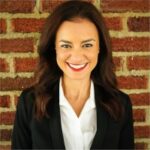
Amanda Adams, Senior Director and General Manager of Population Health at Netsmart, is a seasoned healthcare executive with an established history of success in population health strategy and value-based care transformation. A strategic thinker and policy advocate, Amanda has led cross-functional teams, shaped long-term population health strategies and consistently delivered strong, measurable results in quality of care, particularly in behavioral health HEDIS metrics. She is passionate about harnessing the power of technology and analytical insights to position organizations for success in the evolving regulatory landscape of interoperability and value-based care. Prior to joining Netsmart in 2025, Amanda had extensive experience leading high-impact initiatives that earned New York’s largest Medicaid plan top quality rankings across multiple programs, including a consistent 4+ star Medicare Advantage rating for several consecutive years.
Retention, Burnout & Morale: Measuring Workforce ROI With AI
Workforce value is about more than speed. This session will explore how providers can track morale and burnout metrics to impact recruiting cost, vacancy days, overtime and avoidable turnover. Examples include how to pair pulse surveys with workload indicators, how to attribute changes to specific tools and how leaders can translate staff experience gains into a growth story for stakeholders and payers. We will explore the pragmatic realities facing behavioral health systems today and will examine use cases of currently evolving roles as well as emerging roles capable of filling the gaps.
Liz Worth, LSCSW

Liz Worth, LSCSW is the Deputy Director at Johnson County Mental Health Center. The Mental Health Center is a Department of Johnson County (KS) Government and employs more than 500 staff who provide behavioral health services to nearly 17,000 residents annually.
She holds a BS in Sociology from Baker University and a Masters in Social Work from the University of KS. She is a clinically licensed Mental Health Professional and has worked in Community Mental Health in Kansas for 23 years.
She is a passionate leader with a deep commitment to empowering individuals to take control of their well-being and lead fulfilling lives. With her background in mental health treatment and advocacy, she has dedicated her career to promoting a whole health approach – addressing the interconnectedness of mental, physical, emotional and social health. Drawing from wellness philosophies in both personal experience and professional expertise, she strives to inspire others to cultivate resilience, practice self-compassion and build strong support networks.
As an advocate for accessible mental health resources, she has worked with diverse communities to break down the stigma surrounding mental health, while fostering environments that prioritize healing, growth and self – care. Liz’s leadership style focuses on collaboration, creating spaces where others feel heard, valued and empowered to take proactive steps toward mental wellness.
When not working, Liz enjoys reading, being outdoors, running and spending time with her husband and dog.
G. N. Janes

G. N. Janes has been the Chief Executive Officer of Valley Community Services since 2015 and is the CEO and is the founder of Ardent Services Group, a bespoke organization dedicated to empowering and elevating human service organizations through innovative support and strategic collaboration. Prior to his current posting, he held various positions as a Regional Operations Director, Compliance Officer, and Direct Support Professional. Starting at American University in Washington DC, G. N. earned his bachelor’s degree from Regent’s College while on active duty in the United States Navy, graduating cum laude from the Defense Language Institute in Monterey, California from the Farsi program.
Since taking his position, G. N. has focused on technology, innovation, and employee outreach; expanding the Valley Community Services footprint by 120 percent, digitizing large swaths of the program and retaining over 90 percent of the agency’s front-line supervisors. He also serves on the American Network of Community Options and Resources (ANCOR) Global Council, the Government Relations Advisory Council, and Pennsylvania Advocacy and Resources for People with Intellectual Disabilities and Autism (PAR) Board of Directors where he is currently the Vice Chair.
In his spare time, G. N. enjoys the company of his two daughters: Sadie, an attorney in Aurora, Colorado and Mia, a senior at Ohio University.
From Portals To Participation: Provider Insights On Digital Engagement, Adoption & Performance
Sponsored By: 
Despite widespread investment in patient portals and digital engagement tools, many behavioral health organizations continue to see low adoption and limited impact on access and ongoing participation in care. Based on findings from a national provider survey produced by OPEN MINDS and Cantata Health Solutions, this session examines where digital engagement is falling short across the care continuum and what provider organizations report is needed to improve access, onboarding, engagement between visits, and sustained connection beyond formal treatment.
Led by Dr. Jorge R. Petit, Chief Clinical Advisor at Cantata Health Solutions, this session will share key insights and data analysis on digital access challenges, engagement performance, and emerging approaches to strengthen digital participation. Attendees will gain a practical perspective on how to reframe engagement initiatives as strategic, clinically integrated performance drivers rather than standalone technology efforts.
Jorge Petit, M.D.

Jorge R. Petit, MD is a board-certified Adult, Community and Public psychiatrist and healthcare executive leader with over 30 years of focused attention on innovation and healthcare transformation for those most in need and vulnerable.
Dr. Petit is the founder and CEO of Quality Healthcare Solutions (QHS) providing consultation, strategic planning, advisory and technical assistance services to health care systems, community-based providers, emerging technology start-ups, and regulators with a special focus on behavioral health, intellectual and developmental disabilities, and health and human services. Dr. Petit’s work includes strategic planning, C-suite and board development/governance best practices, medical leadership education, training and mentorship, workforce development (DEIBA and Cultural Humility), holistic and comprehensive integration initiatives, data and quality assessments and planning and other healthcare transformation efforts, such as Crisis Services and Certified Community-Based Health Centers (CCBHC) throughout the U.S. He is bilingual and bicultural and a thought leader, speaker, author and blogger BH: Matters.
He serves as Strategic and Development Advisor for Zero Overdose as well as Chief Clinical Advisor to Cantata Health Solutions and Clinical Advisor to Emotivo Health, Metta Health and Verity Health. Dr. Petit is an active member of SAMHSA’s Center for Substance Abuse Treatment (CSAT) National Advisory Council and sits on the board of Cantata Health Solutions, Primary Care Development Corporation (PCDC) and Mental Health News Education (MHNE). He is a member of the Committee on Psychiatric Administration & Leadership in the Group for the Advancement of Psychiatry (GAP), United Hospital Fund (UHF) Health Policy Forum, as well as a member of the National Council for Mental Wellbeing’s Medical Director Institute (MDI).
Dr. Petit has held executive leadership roles in community-based health and human services organizations, managed care, city and state government and hospital systems. He was the Settlement Compliance Coordinator for 8 years at a leading NYC H+H system leading a successful turnaround project.
Dr. Petit is extensively published and the author of Handbook of Emergency Psychiatry and The Seven Beliefs: A Step-by-Step Guide to Help Latinas Recognize and Overcome Depression and the recipient of the 2023 Honoreefrom Marquis Who’s Who, Crain’s New York Business 2022 Notable LGBTQ Leader, City & State New York 2022 Nonprofit Power 100, and City & State New York 2022 Responsible 100.
Transforming The Care Journey Through Connected AI + Automation

This session explores how AI and automation are reshaping the stages of the care journey from intake and benefits coordination to clinical documentation and treatment planning, to billing and collections. We’ll highlight how automation across referrals, insurance verification, collections, and AI-assisted documentation comes together in a seamlessly connected ecosystem. By optimizing functions across the entire care journey, we’re moving from manual, time-intensive workflows to intelligent, proactive, and automated processes that support staff at every step. Discover how these innovations can fundamentally change the way teams interact with their technology and ultimately elevate outcomes for the individuals they serve.
Julie Hiett, MSW
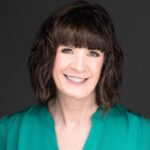
Julie Hiett has over 30 years of experience working in behavioral health, social services and care coordination. She began her career as a Crisis Case Manager at a County CMHC in KS and was a School Social Worker prior to moving out of direct care and into Healthcare IT.
Julie has been at Netsmart over 13 years, working with clients across the country at the provider, county and state level, providing expertise on behavioral health, value-based care, care coordination, population health and clinical AI solutions. Her previous focus was assisting providers to consume and action client data across the healthcare continuum, utilizing data from disparate systems to improve clinical outcomes and lower the cost of care.
Julie has moved into leading the Netsmart clinical AI suite of solutions. In the role, she collaborates with clinicians and leadership to reduce the administrative burden of documentation, enhance clinician and client satisfaction, streamline workflows and improve quality assurance.
Julie has a bachelor’s degree in Family Studies & Human Services from Kansas State University and a master’s degree in Social Work from Wichita State University.
Rebecca Key

Rebecca Key is the Director of Revenue Cycle Management for Netsmart, bringing more than 30 years of experience in medical billing and revenue optimization. A recognized expert in billing best practices, she began her career managing billing and collections for a local billing company and later transitioned to provider organizations, where she developed deep expertise in billing operations, workflow management, and back-office processes.
For the past eight years, Rebecca has concentrated on helping human services organizations navigate complex billing challenges. Her extensive industry knowledge, combined with strategic analysis and hands-on operational insight, enables her to guide clients toward tailored solutions that strengthen financial performance and improve overall efficiency. Rebecca’s leadership and expertise support organizations in achieving greater financial stability through the smart integration of technology, services, and best‑practice processes.
Reclaiming Time For Care: AI Documentation That Expands Capacity
Of all the resources in health care, clinician time is perhaps the scarcest. This session examines how automated documentation and note generation tools encourage note completion and transform time saved into increased appointments week after week. We will explore documentation use cases, how to measure accuracy and ease burden, and how to forecast the conversion of minutes saved into staff workload. Attendees will also discover how to align clinical, compliance and revenue stakeholders to maximize efficiency.
Jessica Fenchel, MA

Jessica Fenchel is the Executive Vice President and COO at Access Services, where she supports the delivery of diverse community-based programming for children, adults, and families in Eastern Pennsylvania. Access Services is a nonprofit organization building community through the delivery of services in Behavioral Health, Children and Families Services, Intellectual Disability and Autism Programming, and Housing and Homeless Services.
Jess has been key in the startup of innovative initiatives across multiple service spaces including crisis, forensics, schools, and homelessness. Jess believes that help should be helpful and that the people we serve deserve our best. She has led in partnership building to realize integration between behavioral health and physical health, driving solutions for vulnerable populations. Jess’ work to develop new models of partnership between law enforcement and crisis systems has led to overall reductions in arrest for those experiencing mental health crisis.
Jess received her undergraduate degree from Messiah University, her master’s degree from Lasalle University in Clinical Counseling Psychology, training in Applied Behavior Analysis from the University of North Texas, a certificate in Nonprofit Management from Lasalle University, and a certificate from the Global Trauma Recovery Institute. Jess is an avid sports fan, especially the Buffalo Bills, and loves being active outside with her husband, three kids, and dog.
Ronald J. Colavito

Ronald J. Colavito is an accomplished executive leader with over 20 years of experience in operational leadership, financial management, and strategic business development. Currently serving as President and CEO of the Access: Network, which includes Access: Supports for Living Inc.; The Guidance Center of Westchester, Inc.; New York Families for Autistic Children, Inc.; and Meaningful NY Initiatives for People with Disabilities, Inc., he oversees corporate operations with an annual budget exceeding $160 million and a workforce of more than 2,200. Collectively, the organizations deliver innovative behavioral health, intellectual and developmental disabilities, housing, employment, and children and families services to over 20,000 adults and children across New York’s Hudson Valley, New York City, and Long Island.
Under his leadership, Ron has driven significant growth, more than doubling organizational budgets since 2010 through strategic business development. He excels in implementing data-driven decision-making, fostering partnerships, and successfully integrating financial and operational systems to enhance efficiency and scalability.
Ron holds an MBA in Healthcare Management from Quinnipiac University, a BS in Accounting from SUNY Geneseo, and completed the Strategic Perspectives in Nonprofit Management program at Harvard Business School. His extensive board involvement includes current roles with Coordinated Behavioral Health Services IPA, NYIN, Hudson Valley Economic Development Corp., New York Alliance for Inclusion and Innovation, InUnity Alliance, New York Disability Advocates, CareDesign NY, Newburgh Armory Unity Center, Hudson Valley Service Providers, as well as the Hudson Valley Care Coalition, designated as the lead Social Care Network for the Hudson Valley region through the New York State 1115 Waiver.

Brandie D. Williams, M.Ed, Ed.S
Brandie has over 21 years of experience serving individuals with Behavioral Health needs and Developmental Disabilities. For the past 16 years, Brandie has worked at the Rappahannock Area Community Services Board, a non-profit organization dedicated to education, recovery, treatment, and wellness of individuals affected by mental health and substance use disorders and developmental disabilities. In her role as Deputy Executive Director, she brings subject-matter and operational knowledge of integrated care, data analytics, and behavioral health care to support the use of analytics to improve clinical performance, patient health, and organizational efficiencies. In addition to day-to-day operations, Brandie oversees reporting and analytics to inform a data-drive quality improvement process. Throughout her professional career, Brandie has fostered a deep passion for the opportunities created by advanced science and technology in the health and human services quality improvement space. She believes building and growing a high-quality workforce is the foundation for meeting our community’s needs.
Angel McClellan

Angel McClellan serves as Chief Information Officer at Starting Point Behavioral Healthcare, in Northeast Florida. For over 30 years, Starting Point has been on a mission to promote emotional wellness through psychiatric, mental health, and substance use disorder treatment services combined with community education and awareness. They have a vision to incorporate new technologies and evidence-based practices to continue to improve and sustain the outcomes. The adoption of AI in clinical documentation has kept them true to their vision.
Angel brings more than 26 years of experience in the behavioral healthcare nonprofit sector. With a career including a background in patient access, medical billing, medical records, health information management, compliance and information technology management, she offers a comprehensive understanding of behavioral healthcare operations, compliance, and information systems.
As CIO, Angel provides strategic leadership for the organization’s technology and information infrastructure, including EHR administration, information technology management, systems implementation, and project management. She is responsible for the management and oversight of staff across Data Reporting, Quality Improvement and Compliance, Health Information Management, and Information Technology, ensuring alignment between technology, regulatory standards, and organizational goals.
Building Stability In Behavioral Health Through Care Delivery With RevDoc
Sponsored By: 
Across behavioral health, leaders are carrying an increasingly impossible balance: growing demand, a limited workforce, rising compliance requirements, and mounting financial pressure—all while striving to protect the clinicians who make care possible. Many organizations are working harder than ever, yet feeling less stable and less flexible.
This session is an invitation to step back and ask a different question: What if sustainability starts with how care is delivered, not how claims are managed? We’ll explore how modern care-delivery platforms can reduce friction, support providers, and unlock new paths to growth—without sacrificing access, ethics, or mission.
John Sheehan, MBA, FACHE

John M. Sheehan, MBA, FACHE, is the Chief Strategy and Business Development Officer at RevDoc, where he leads national growth strategy, partnerships, and market expansion focused on integrated, value-based care models. A mission-driven healthcare executive with more than 20 years of experience, John has led organizations through periods of significant uncertainty and transformation, aligning clinical operations, revenue cycle performance, and payer strategy to stabilize finances while expanding access to care. His work has consistently focused on reducing avoidable emergency department utilization and inpatient admissions through integrated behavioral health, telehealth, and care-continuum redesign. A former CEO, president, and board member, John has built and scaled behavioral health, hospital, and digital health organizations, launched systemwide service lines, restored regulatory compliance, and driven sustainable growth across complex, multi-entity systems. He is also an Open Minds Circle Board Member and brings to RevDoc—and the Open Minds community—a pragmatic, operator’s perspective on leading change, strengthening revenue integrity, and delivering measurable clinical and financial impact in highly regulated healthcare environments.
Andres Santayana, M.D.

Dr. Santayana is a board-certified Family Medicine physician with diverse experience in academic, hospital, and outpatient settings. He has held various leadership roles throughout his career, and helped launch a private, physician-owned medical group. Skilled in broad-spectrum Family Medicine, he focuses on preventive care, chronic disease management, and procedures. His guiding principle is empowering patients to take control of their health.
Preparing For Impact: Performance Management As A Financial Sustainability Tool
Behavioral health leaders face a defining opportunity: to turn data into a strategic asset that drives sustainable growth and lasting impact. Join Monica E. Oss, Chief Executive Officer of OPEN MINDS, as she explores how executive teams can move beyond data collection to true data fluency – embedding analytics into decision-making, performance improvement, and organizational culture.
Monica E. Oss

Monica E. Oss, M.S. is the founder of OPEN MINDS and serves as its chief executive officer, executive editor of its publications and websites, and executive lead of its consulting engagements. For the past three decades, Ms. Oss has led the OPEN MINDS team and its research on health and human service market trends and its national consulting practice. She is well known for her numerous books and articles focused on the strategic and marketing implications of the evolving health and human service field – and its focus on the verticals of the field serving consumers with chronic conditions and complex support needs.
Ms. Oss has extensive experience in developing and implementing growth strategies for a wide array of organizations in the field. She has expertise in industry trend analysis, reimbursement, rate setting, and creating actionable plans for market success. In her role, she has led numerous engagements with state Medicaid plans, county governments, private insurers, and health plans, service provider organizations, technology vendors, neurotechnology and pharmaceutical organizations, and investment banking firms – with a focus on the implications of financing changes on delivery system design.
Prior to founding OPEN MINDS, Ms. Oss served as an executive with a nationally managed behavioral health organization, responsible for market development, actuarial analysis, and capitation-based rate setting. She also held a position as vice president of the U.S. risk management and underwriting division of an international insurance company.
Ms. Oss has been the keynote speaker at the conferences of dozens of national associations and has been published in a wide range of professional journals and trade publications. She has provided Congressional and state legislative testimony on issues as diverse as the financial impact of parity and payer medication access policies.
Ms. Oss has led a range of industry research and consultation initiatives, serving as principal investigator on research projects that include the examination of national managed care enrollment and service patterns, development of provider rate structures for government entities, creation of return-on-investment models for technology investments; design of performance-based compensation models within public and private health plans; and analysis of the economic impact of changes in benefit design, adoption of evidence-based practices, and new technologies.