


Today’s CEOs are facing more challenges than ever, as demonstrated by the two-decade high in turnover for healthcare CEOs, instability in the global (and national) economy, and an increasingly competitive and rapidly changing post-pandemic health and human service. Despite these pressing challenges, there are key directional trends in the field that are known— such as integrated care models, payviders, retail health care and consumerism, reimbursement tied to performance, price sensitivity, and the end of the public health emergency.
For executives, envisioning the opportunities and future market positioning in the ever-evolving landscape will be a key leadership competency and a critical piece of organizational success. The OPEN MINDS Chief Executive Officer Learning Path was created to equip today’s CEOs with the critical skills and competencies needed to embrace current challenges, make informed decisions, and lead their organizations into the future with confidence.
View featured courses and sessions below to get started!
Building A Data-Driven Organization: The 2026 OPEN MINDS Seminar On Making Metrics-Based Management Work
Sponsored By: 
The dynamics of accelerated change in the market have created new performance challenges for health and human services organizations. This seminar will focus on the latest performance landscape and critical domains for measuring and managing business and clinical effectiveness. Health and human services organizations have unique and evolving competition in the market—from new digital-first applications demonstrating speedy access, engagement, and satisfaction with consumers to industry disrupters such as retail health clinics providing convenient access to care right where individuals shop. Showing value through data is a must have in this competitive environment, and the ability to demonstrate value through data means that organizations must also use data to drive performance improvement—clinically and administratively. In addition, leaders within organizations are challenged to make rapid course corrections, and having immediate access to the correct data has become critical to organizational success. Key objectives for this seminar will include the following:
- Look at the critical strategic performance domains and metrics for managing business and clinical health effectiveness
- Scorecard and framework for becoming a data-driven organization and for evaluating business health operations
- Decision-making model for prioritization and selection of measures
3:15 pm – 3:45 pm ET
From Performance Reporting to Predictive: A Discussion Of Strategy & The Importance Of Data-Driven Success Factors For AI Readiness
A special presentation as part of the Building A Data-Driven Organization Seminar, brought to you by The BI Collaborative
Michael Allen

Michael Allen brings over 30 years of experience in the non-profit behavioral healthcare industry to the OPEN MINDS team. He currently serves as an Executive Vice President in our consulting practice, where he provides executive oversight and leadership to provider and payer client engagements for OPEN MINDS.
Mr. Allen was most recently the Chief Executive Officer of SummitStone Health Partners, the largest non-profit behavioral health service provider in Larimer County, CO. In this role Mr. Allen was responsible for the planning deployment, communication and accomplishment of SummitStone Health Partners’ overarching corporate strategy. He managed a budget of $80Million and was responsible for more than 750 full time employees and over 12,000 clients annually.
Prior to SummitStone Health Partners, Mr. Allen served as the Vice President of Managed Care & Operations at AspenPointe (now Diversus Health). At AspenPointe he developed and managed a system of accountability for monitoring and evaluating provider performance in seven Colorado counties. He was also responsible for the quality management oversight of all business lines, as well as managing a substance abuse treatment contract with the Colorado Division of Behavioral Health and a child welfare services agreement with El Paso County Department of Human Services.
Previously, Mr. Allen was the Director of Clinical Care for Connect Care, (rebranded as AspenPointe in 2010). In this position Mr. Allen provided supervision to the clinical staff, as well as developing clinical guidelines and services. He was also the project director for the 4th Judicial District Family Reunification Grant and he oversaw care coordination and voucher management functions for Colorado Access to Recovery Grant.
Before Connect Care, Mr. Allen was the Director of Child Welfare Services for Signal Behavioral Health Network, a non-profit that has been managing and expanding substance use prevention, treatment and recovery services in northeast Colorado for over 25 years. Mr. Allen managed a network of Substance Use Disorder treatment providers, programs and services across 35 Colorado counties.
Mr. Allen earned a Bachelor of Arts in Design/Psychology from Brigham Young University, a Masters in Social Work from Case Western Reserve University, and a Masters in Business Administration from Colorado State University. He is a Licensed Social Worker and a Certified Addictions Specialist in Colorado.
Measuring & Managing Financial Strength: The 2026 OPEN MINDS Seminar On A Framework For Improving Financial Resilience
Sponsored By: 
As behavioral health organizations navigate rising demand, shifting reimbursement models, and ongoing workforce pressures, financial resilience has never been more critical. This three-hour executive seminar provides leaders with a proven framework to measure, monitor, and manage the financial health of their organizations—ensuring stability today and strategic growth tomorrow.
Participants will explore how to identify the right financial indicators, strengthen balance sheets, and leverage data-driven insights to guide strategic decision-making. By the end of the seminar, attendees will be equipped with actionable tools and strategies to enhance financial resilience and lead their organizations with confidence in a rapidly evolving behavioral health landscape. Through expert facilitation, interactive exercises, and case examples, executives will learn practical approaches to:
- Assess organizational financial strength using a standardized framework
- Build strategies for managing risk in uncertain market conditions
- Apply best practices for improving liquidity, revenue diversification, and cost efficiency
3:15 pm – 3:45 pm ET
Aligning Patient Engagement Data With Financial Success & Stability
A special presentation as part of the Measuring & Managing Financial Strength Seminar, brought to you by Mend.
Ray Wolfe, J.D.

Raymond “Ray” Wolfe, J.D. brings over 40 years of experience in the health and human services sector to the OPEN MINDS team. Mr. Wolfe currently serves as a Senior Associate, a position in which he utilizes his expertise to successfully lead varying projects for OPEN MINDS. His areas of expertise include financial analysis and management, mergers and acquisitions, performance improvement, and strategic planning.
Before joining OPEN MINDS, Mr. Wolfe served in a 22 year tenure with Pittsburgh Mercy Health System in Pittsburgh, Pennsylvania. Most recently, Mr. Wolfe served as the organization’s Chief Operating Officer (COO) where he was responsible for oversight of all system operations, strategic planning, and performance management. Under his direction Pittsburgh Mercy achieved over $850K in value-based reimbursement contract quality bonus awards, integrated three organizations through merger/acquisition, and adopted a new performance management program for managers.
Before acting as Pittsburgh Mercy’s COO, Mr. Wolfe served as the organization’s Chief Financial Officer (CFO) and was responsible for the development of internal costing methodologies, contract rate negotiations, and financial forecasting activities. In addition, he coordinated an integrated care program with local partner hospitals to develop a series of diversion and respite programs, as well as, specialized primary care, integrated care management and high utilizer teams, while maintaining 15 straight years profitability.
Mr. Wolfe was promoted to CFO after serving as the Director of Fiscal and Information Security/Compliance for the health system. In this role, he was responsible for managing the transition of service contracts from fee-for-service (FFS), leading all compliance activities, and implementing a next generation electronic health record (EHR) system.
Prior to his time at Pittsburgh Mercy Health System, Mr. Wolfe served as Chief Fiscal Officer with the Summit Center for Human Development in Clarksburg, West Virginia, where he was responsible for reporting and budgeting functions and preparing Summit Center’s programs for FFS billing.
Previously, Mr. Wolfe served in billing and collections for two Pennsylvania-based hospitals. First, as an Accounts Receivables Manager for Brownsville General Hospital in Brownsville, PA, where he managed the accounting and billing system transition systems. Later as a Patient Account Manager for St. Francis Medical Center in Pittsburgh, PA, where he improved collections to hit 95% rate through the implementation of new billing software and department reorganization.
Prior to working in the health and human services market, Mr. Wolfe spent five years practicing as a Lawyer with at Law Offices of Arch A. Moore in Moundsville, WV. In this role he provided general legal practice, created and established bylaws for multiple corporation, and handled West Virginia licensing of first vision insurance plan.
Mr. Wolfe earned his Juris Doctor from the West Virginia University School of Law in Morgantown, WV and his Bachelor’s degree with a focus in Political Science and Sociology from West Liberty University, in Wheeling, WV, where he graduated Magna Cum Laude.
Uniting For Impact: How Centerstone & Brightli’s Strategic Growth & Vision Are Shaping The Future Of Behavioral Health
Two of the nation’s leading nonprofit behavioral health organizations—Centerstone and Brightli—have come together in a groundbreaking merger designed to expand access, strengthen sustainability, and drive innovation in care. In this keynote session, leaders from both organizations will share their vision, lessons learned, and the strategic priorities guiding this transformational alignment. Join this forward-looking conversation to learn how strategic growth through partnership can accelerate impact and reimagine what’s possible for behavioral health organizations nationwide.
Attendees will gain an inside look at how the merger is positioning the combined organization to:
- Enhance service delivery across communities and populations with complex needs
- Leverage scale and shared resources to invest in workforce development and technology
- Navigate market uncertainty while advancing mission-driven care
- Shape the broader behavioral health landscape through collaboration and innovation
David C. Guth, Jr.

David Guth is Centerstone’s Chief Executive Officer, a nonprofit health system specializing in mental health and substance use disorder treatments. Guth has more than 40 years of health care leadership and has served as Centerstone’s Chief Executive Officer since 1991. Under his leadership, the organization has grown from $6M in revenues and 300 staff serving 2,000 individuals to revenues of $1.1 billion and over 10,000 staff serving more than 250,000 people each year.
Guth has served on the Board of Directors for many notable organizations, including Triad Learning, the Executive Committee of the National Action Alliance for Suicide Prevention, and the Board of Visitors for the University of Tennessee’s College of Social Work. He is highly regarded in the industry and has received many recognitions, including the National Council Visionary Leadership award, Nashville Business Journal’s Health Care Power Leaders Award, and the Douglas Henry Award for Service to Children and Families at Risk from the University of Tennessee’s College of Social Work. Guth also works as an industry consultant, primarily in the area of affiliations, mergers, and acquisitions. The National Council for Behavioral Health published Guth’s book on mergers, “Strategic Unions: A Marriage Guide to Healthy Not-for-Profit Mergers.”
Guth graduated from Vanderbilt University with a bachelor’s degree in mathematics and from the University of Tennessee with his master’s degree in social work administration and planning.
CJ Davis
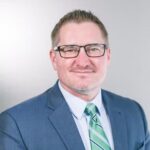
Dr. C.J. Davis is CEO-elect at Centerstone, a nonprofit health system specializing in mental health and substance use disorder treatments. Davis is a nationally recognized leader in behavioral health and a foremost expert in building affiliations that expand access to life-saving and life-changing care. With more than 30 years of experience as both an executive and a clinical psychologist, Davis has dedicated his career to ensuring that individuals and families can reach the compassionate, comprehensive care they need—when and where they need it.
Prior to joining Centerstone, Davis served as President and CEO of Burrell Behavioral Health and later as CEO of Brightli, Inc., the parent company of Burrell, Preferred Family Healthcare, Southeast Missouri Behavioral Health, Comprehensive Mental Health Services, and other affiliates. Under his leadership, Brightli became one of the nation’s largest nonprofit behavioral health systems, employing more than 5,000 people across 200 locations in five states and generating nearly $600 million in annual revenue.
Widely regarded as a national leader in behavioral health affiliations, Davis has led or been instrumental in more than 10 major mergers and partnerships, uniting organizations around shared missions, cultures, and visions. His leadership philosophy centers on improving access, advancing the delivery of care, and driving innovation to meet the evolving needs of a rapidly changing healthcare landscape. From integrating behavioral health and primary care to scaling community-based programs, Davis has worked to design systems that break down barriers and deliver meaningful outcomes for those they serve. His career spans nearly every level of behavioral healthcare including community treatment, residential programs, inpatient services, and criminal justice settings across Missouri, Pennsylvania, and Indiana.
He currently serves on the boards of MHCA and his alma mater, Culver-Stockton College. His leadership has been widely recognized: Biz 417 Magazine named him one of its “10 for the Next 10,” and theSpringfield Business Journal honored him as both a Man of the Year (2019) and CEO of the Year (2021). Davis earned his Bachelor of Science in Psychology, Master of Science in Clinical Counseling Psychology, and Doctorate in Clinical Psychology. Through every affiliation, innovation, and partnership, he remains committed to one unifying purpose: building stronger systems that expand access, elevate care, and create healthier communities.
Measuring Organizational Culture As A Driver Of Performance & Profit
In today’s competitive health care landscape, culture-based management can be the key differentiator that improves employee engagement, reduces turnover, enhances care quality, and boosts your bottom line.
This session will explore how executives can intentionally shape and lead culture to drive measurable results. You’ll learn how to align values with operations, create accountability without burnout, and embed culture into every layer of your organization—from frontline staff to leadership.
This session will examine the business case for culture, how to assess your current organizational climate, and the specific steps leaders can take to build a culture that fuels both mission and margin.
In this session, attendees will:
- Understand the link between culture, performance, and financial outcomes
- Learn how to assess and shift organizational culture in actionable ways
- Gain tools to embed culture into hiring, onboarding, and performance management processes
Regina Marshall

Regina Marshall joined Advocates in 2015 with the goal of shaping policy and making systemic change in order to help Advocates provide the best possible services to the people it supports.
Regina brings to her position at Advocates a broad range of experience as a legal advocate and administrator at both the executive and operational levels of state government. During her tenure at the Massachusetts Executive Office of Health and Human Services, she oversaw disability agencies that include the Department of Developmental Services, Massachusetts Commission for the Blind, Massachusetts Rehabilitation Commission, and the Massachusetts Commission for the Deaf and Hard of Hearing.
Prior to joining Advocates, Regina served as Center Director of the Massachusetts Mental Health Center, which serves over 1,200 clients, where she was responsible for all clinical and administrative operations. In 2020, Regina joined the board of trustees at Bethany Hill Place.
A resident of Framingham, Regina holds a Bachelor’s degree in Political Science and African American studies from Simmons College and a law degree from Northeastern University. She is the proud mom of three — twin daughters and a son. In the rare free time she gets between working and parenting, Regina loves to cook and bake.
Joe Robitaille, MBA, BCBA, LABA
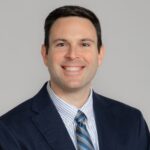
Joe Robitaille is a leader in the non-profit sector with a distinguished career dedicated to improving the lives of children with developmental disabilities and special healthcare needs. As Senior Vice President of Children’s Services at Advocates, Joe oversees a diverse portfolio of programs and leads large, multidisciplinary teams, combining clinical expertise in Applied Behavior Analysis (ABA) with strategic leadership to drive organizational growth and service excellence.
Before joining Advocates, Joe directed a range of children’s programs focused on early intervention, home and center-based treatment, and specialized school services. He has a proven track record of managing complex budgets, implementing quality improvement initiatives, and aligning operational strategies with mission-driven goals. Joe holds a license in Applied Behavior Analysis, is a Board-Certified Behavior Analyst, and earned his MBA, equipping him with a unique blend of clinical and business acumen.
With years of experience guiding organizational performance and supporting workforce development, Joe brings practical insights into leadership practices that improve outcomes for both employees and the individuals they serve. Outside of work, Joe enjoys spending time with his wife and daughter, running, and tackling home renovation projects.
Mark Ishaug

Mark Ishaug has dedicated his career to advocating for the rights of stigmatized and vulnerable people. As the CEO of Thresholds, Mark has overseen expansive growth and a culture shift that embraces change, innovation, transparency, and, yes – love. Thresholds has been recognized for 12 consecutive years as a Chicago Tribune Top Workplace and, for 9 years, as one of Chicago’s 101 Best and Brightest Companies to Work For. In addition, Mark serves on the boards of Dominican University, the Civic Federation of Chicago, the Alphawood Foundation, and the Chicago Urban League, as well as on the Membership Committee of the Economic Club of Chicago and the Leadership Fellows Association Board of Leadership Greater Chicago. Before Thresholds, Mark worked as a leader in the fight against HIV/AIDS as CEO of the AIDS Foundation of Chicago. Mark holds a master’s degree in political science from Northwestern University and a bachelor’s degree in government and international studies from the University of Notre Dame.
Sterling Haukom-Anderson, LPC

Sterling Haukom Anderson, LPC has worked in the mental health field for over 13 years and is currently the Director of Workforce Development at Thresholds. She has provided clinical and case management support to individuals living with severe mental illness and has developed and delivered trainings, eLearning, and consultations for both internal and external audiences on a range of topics. Sterling earned her Master’s in Counseling from DePaul University in 2012.
Chief Executive Officer Member Networking Lunch
If you’re the Chief Executive Officer or Executive Director of an OPEN MINDS member organization, join us for this private networking luncheon. This is an opportunity to share leadership experiences and solutions with your peers from across the nation. Our hosts for the luncheon are Monica E. Oss, Chief Executive Officer and Michael Allen, Executive Vice President at OPEN MINDS. (To register, contact Erin Deppen, Education Events Manager, at 717-334-1329 or edeppen@openminds.com.) *RSVP Required.
Monica E. Oss

Monica E. Oss, M.S. is the founder of OPEN MINDS and serves as its chief executive officer, executive editor of its publications and websites, and executive lead of its consulting engagements. For the past three decades, Ms. Oss has led the OPEN MINDS team and its research on health and human service market trends and its national consulting practice. She is well known for her numerous books and articles focused on the strategic and marketing implications of the evolving health and human service field – and its focus on the verticals of the field serving consumers with chronic conditions and complex support needs.
Ms. Oss has extensive experience in developing and implementing growth strategies for a wide array of organizations in the field. She has expertise in industry trend analysis, reimbursement, rate setting, and creating actionable plans for market success. In her role, she has led numerous engagements with state Medicaid plans, county governments, private insurers, and health plans, service provider organizations, technology vendors, neurotechnology and pharmaceutical organizations, and investment banking firms – with a focus on the implications of financing changes on delivery system design.
Prior to founding OPEN MINDS, Ms. Oss served as an executive with a nationally managed behavioral health organization, responsible for market development, actuarial analysis, and capitation-based rate setting. She also held a position as vice president of the U.S. risk management and underwriting division of an international insurance company.
Ms. Oss has been the keynote speaker at the conferences of dozens of national associations and has been published in a wide range of professional journals and trade publications. She has provided Congressional and state legislative testimony on issues as diverse as the financial impact of parity and payer medication access policies.
Ms. Oss has led a range of industry research and consultation initiatives, serving as principal investigator on research projects that include the examination of national managed care enrollment and service patterns, development of provider rate structures for government entities, creation of return-on-investment models for technology investments; design of performance-based compensation models within public and private health plans; and analysis of the economic impact of changes in benefit design, adoption of evidence-based practices, and new technologies.
Michael Allen
Michael Allen brings over 30 years of experience in the non-profit behavioral healthcare industry to the OPEN MINDS team. He currently serves as an Executive Vice President in our consulting practice, where he provides executive oversight and leadership to provider and payer client engagements for OPEN MINDS.
Mr. Allen was most recently the Chief Executive Officer of SummitStone Health Partners, the largest non-profit behavioral health service provider in Larimer County, CO. In this role Mr. Allen was responsible for the planning deployment, communication and accomplishment of SummitStone Health Partners’ overarching corporate strategy. He managed a budget of $80Million and was responsible for more than 750 full time employees and over 12,000 clients annually.
Prior to SummitStone Health Partners, Mr. Allen served as the Vice President of Managed Care & Operations at AspenPointe (now Diversus Health). At AspenPointe he developed and managed a system of accountability for monitoring and evaluating provider performance in seven Colorado counties. He was also responsible for the quality management oversight of all business lines, as well as managing a substance abuse treatment contract with the Colorado Division of Behavioral Health and a child welfare services agreement with El Paso County Department of Human Services.
Previously, Mr. Allen was the Director of Clinical Care for Connect Care, (rebranded as AspenPointe in 2010). In this position Mr. Allen provided supervision to the clinical staff, as well as developing clinical guidelines and services. He was also the project director for the 4th Judicial District Family Reunification Grant and he oversaw care coordination and voucher management functions for Colorado Access to Recovery Grant.
Before Connect Care, Mr. Allen was the Director of Child Welfare Services for Signal Behavioral Health Network, a non-profit that has been managing and expanding substance use prevention, treatment and recovery services in northeast Colorado for over 25 years. Mr. Allen managed a network of Substance Use Disorder treatment providers, programs and services across 35 Colorado counties.
Mr. Allen earned a Bachelor of Arts in Design/Psychology from Brigham Young University, a Masters in Social Work from Case Western Reserve University, and a Masters in Business Administration from Colorado State University. He is a Licensed Social Worker and a Certified Addictions Specialist in Colorado.
The M&A Readiness Test: Do You Need An Affiliation To Survive?
When does going it alone stop making sense? Join this discussion to evaluate your organization’s M&A readiness, understand the signs it may be time for affiliation, and how to assess risks vs. rewards.
Paul M. Duck

Paul M. Duck brings more than 40 years of experience in leadership and management focusing on managed care, health information technology organizations, strategy, business development, and market expansion, and customer experience optimization to the OPEN MINDS team.
Prior to joining OPEN MINDS, Mr. Duck served as the Vice President, Strategy & Development at Beacon Health Options. In this role, Mr. Duck led the organization’s strategy and business development efforts, which led to a 30% increase in net revenue and initiated more than $1 billion in revenue generation. Mr. Duck was active in national behavioral health initiatives as an executive of Beacon Health Options, including participating as a speaker at national and state association meetings.
Before joining Beacon Health Options, Mr. Duck was the Vice President of Business Development at Netsmart Technologies. During his tenure, Mr. Duck was responsible for business planning including the oversight of strategic activities including acquisitions, development, and execution of strategic initiatives, and positioning, and sales of large strategic customers. He also led the rollout of the company’s benchmarking and data analytics product suite.
Prior to Netsmart, Mr. Duck served as the Chief Executive Officer for Coastal Orthopedics and Pain Management, a large group practice with five clinic locations and two ambulatory surgical centers. As the organization’s chief executive officer, Mr. Duck was responsible for significant positive changes in leadership and corporate culture, financial and operational performance, compliance, and governance. Mr. Duck improved net collections by over $1 million per month and grew the practice through negotiating better contract rates with payers. He also implemented an organizational rebranding initiative and launched a new marketing campaign.
Prior to Coastal Orthopedics and Pain Management, Mr. Duck served as the President and Chief Executive Officer for Florida Radiology Imaging, one of the largest outpatient diagnostic imaging service companies serving the greater Orlando market. During his tenure, Mr. Duck led the construction of three new, full modality, diagnostic imaging locations. Mr. Duck revolutionized the company’s culture by creating a highly attractive and functional work environment.
Mr. Duck earned his Bachelor of Arts in Business Management from Case Western Reserve University. He earned his Associate of Arts in Electronic Engineering Technology from the Electronic Technology Institute. Mr. Duck received an award by Inc magazine for leading Florida Radiology Imaging as one of America’s fastest-growing companies. Mr. Duck recently served as a contributing author to the book The New Health Age: The Future of Health Care in America.
Growth Opportunities Beyond Private Equity: Which Is Best For Your Organization?
In today’s dynamic market, leaders must think beyond traditional investment models to build sustainable, mission-aligned growth. This session will explore a range of strategic growth opportunities beyond private equity, including joint ventures, strategic partnerships, mergers, affiliation models, managed services organizations (MSOs), and debt financing. Case study presenters will compare the pros, cons, and long-term implications of different approaches—helping you understand not just what’s possible, but what’s right for your organization’s mission, scale, and future.
Whether you’re aiming to expand access, enhance clinical capabilities, or build long-term enterprise value, this session will arm you with the insights and frameworks you need to evaluate your options and take your next step with confidence.
Key Takeaways Include:
- Learn how to align financial strategy with clinical mission and organizational culture
- Gain practical tools to assess readiness for growth and partner selection
- Hear real-world experiences and lessons learned from executives who’ve taken different paths
Shannon Litton

Shannon Litton is the CEO of 3LS Professional Services, where she drives growth for change makers through exceptional, integrated solutions and experiences. A change maker herself, Shannon’s founded multiple companies in her 25-plus-year career, including the award-winning 5by5, a change agency, which has earned five spots on the Inc. 5000 list and Best Place to Work awards while helping more than 500 organizations amplify their impact.
A passionate advocate for employee ownership, Shannon serves as president of the Tennessee Center for Employee Ownership, championing ESOP expansion across the state and country. Throughout her career, Shannon has paired purpose with performance to deliver sustainable, measurable, positive impact for organizations and the communities they serve.
Eric Strickland

Eric Strickland is President & CEO of 3LS, Inc., a family of employee-owned companies empowering good in the world. With nearly 25 years in human services, he founded 3LS in 2015 as the parent company of the Omni Family of Services and has since launched multiple ventures, including The Omni Family Foundation, SigBee, HopeNation Consulting, and 3LS Ventures.
Eric began his career at the National Children’s Advocacy Center in Huntsville, Ala. and rose through the ranks at Omni Visions to become CFO and later CEO. A strategic leader committed to innovation and long-term impact, he has built eight companies focused on behavioral healthcare, professional services, and employee ownership, believing that to do the most good, good must grow.
Jane Wintz

Jane Wintz is CEO of Omni Family of Services, a leading child welfare organization and the foundation of the broader 3LS family of companies. With more than 25 years in nonprofit leadership, Jane has spent her entire career in the child welfare industry working to improve outcomes for youth and families.
Before joining Omni in 2017, she held senior roles at Specialized Alternatives for Families and Youth (SAFY) and Pressley Ridge in Cincinnati. A respected leader in both the behavioral health and ESOP communities, Jane is demonstrating how mission-driven, for-profit/for-good companies can diversify, grow, become more resilient, and do more good for the populations they serve.
More Is Not Always Better: Avoiding Data Overload
In the push to become more data-driven, organizations often end up drowning in data—tracking dozens (or even hundreds) of metrics without clear direction or purpose. The result? Confused teams, missed priorities, and underutilized insights.
This session tackles the growing challenge of dashboard overload and offers practical strategies to streamline data reporting and refocus on what truly matters. Learn how to design dashboards that drive action, align with strategic goals, and support clinical and operational decision-making—without overwhelming your staff.
Attendees will:
- Discover how to distinguish between “nice-to-know” and “need-to-know” when it comes to data
- Learn how to prioritize and simplify key metrics that align with your strategic objectives
- Hear strategies for tailoring dashboards for your team, your executives, your board, and your public facing information
Jodie Esper

Jodie joined Mainstay as Chief Financial Officer (CFO) in 2017. As CFO, Jodie is tasked with implementing the infrastructure and systems needed to support Mainstay’s mission, operations (including facilities, fleet, and information technology), financial objectives, and strategic initiatives. In 2023, Jodie became the CEO of enTRUST Services LLC, a subsidiary of Mainstay that provides comprehensive financial services that enrich the lives of people with disabilities.
Jodie has more than 25 years of accounting experience, with 17 years in a leadership capacity with nonprofit human services organizations. Jodie is passionate about the work as the mom of a son with an intellectual disability. She is an advocate and strong supporter in the disability community.
Jodie received her Bachelor of Science in Business Administration (B.S.B.A.) in accounting and a Master of Science degree in accounting from Robert Morris University in Moon Township, PA.

Brandie D. Williams, M.Ed, Ed.S
Brandie has over 21 years of experience serving individuals with Behavioral Health needs and Developmental Disabilities. For the past 16 years, Brandie has worked at the Rappahannock Area Community Services Board, a non-profit organization dedicated to education, recovery, treatment, and wellness of individuals affected by mental health and substance use disorders and developmental disabilities. In her role as Deputy Executive Director, she brings subject-matter and operational knowledge of integrated care, data analytics, and behavioral health care to support the use of analytics to improve clinical performance, patient health, and organizational efficiencies. In addition to day-to-day operations, Brandie oversees reporting and analytics to inform a data-drive quality improvement process. Throughout her professional career, Brandie has fostered a deep passion for the opportunities created by advanced science and technology in the health and human services quality improvement space. She believes building and growing a high-quality workforce is the foundation for meeting our community’s needs.
No Wrong Door: Applying Managed Care Principles To Safety Net Services In Colorado & Beyond
Colorado’s new Behavioral Health Administration (BHA) and its Behavioral Health Administrative Service Organizations (BHASOs) are redefining what it means to create a “no wrong door” system of care. Established by HB22-1278, the BHA was charged with uniting Colorado’s fragmented behavioral health landscape, spanning safety-net services and uninsured populations under a single, coordinated framework.
In this keynote, Daniel Darting, CEO of Signal Behavioral Health Network, will explore how BHASOs complement Medicaid plans while strengthening the safety net for those who fall outside it.
Learn how the BHASO model can act as a translator and bridge-builder between clinical, financial, and policy worlds by integrating and optimizing state funding streams, standardizing provider expectations and care, and ensuring that every Coloradan can find help regardless of insurance status or ability to pay. By streamlining contracting, reducing administrative burden, and improving data transparency, this model gives provider organizations more stability and flexibility to focus on care. Attendees will learn how governance, funding, and data strategies are driving results in Colorado—and what lessons other states can apply to redesign their own behavioral health systems for greater equity, efficiency, and impact.
Daniel Darting
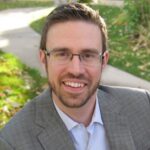
Daniel Darting is the Chief Executive Officer of Signal Behavioral Health Networking Colorado, where he has served since 2008 and led as CEO since 2015. Under his leadership, Signal has expanded its impact across Colorado, improving individual and community behavioral health services.
Daniel is widely recognized for blending technical expertise, policy insight, and collaborative leadership. Prior to stepping into executive leadership, he held key roles in information technology and systems development, supporting secure healthcare data operations and large‑scale system planning. This technical foundation continues to inform his strategic approach to modernizing the behavioral health landscape.
In partnership with state, county, and community leaders, Daniel advances initiatives that improve service delivery, enhance quality, and drive meaningful policy change. His leadership extends beyond Signal: he has serves as President of the Colorado Providers Association and participates in other associations and boards.
Daniel played a key role on a Colorado task force commissioned by Governor Jared Polis to rearchitect the entire statewide behavioral health system—helping produce a comprehensive blueprint that will guide the system’s evolution for years to come.
Before entering behavioral health administration, Daniel worked across multiple sectors, including healthcare, employee benefits administration, higher education, and media—bringing a breadth of experience that continues to shape his approach as CEO.
You Are Not Alone: Management Issues Facing Rural & Frontier Communities
Behavioral health providers in rural and frontier communities face a unique set of challenges—workforce shortages, limited funding, geographic isolation, and infrastructure gaps—all while striving to meet rising demand and deliver high-quality care. But despite these hurdles, rural leaders are finding innovative, community-driven ways to build sustainable, impactful systems of care.
This session will explore the management and operational realities of running behavioral health services in rural and frontier settings. Through candid insights and real-world examples, we’ll highlight how organizations are navigating recruitment, access, reimbursement, partnerships, and technology implementation in under-resourced environments.
Whether you lead a rural agency or serve rural populations through a broader network, you’ll walk away with practical strategies, shared lessons, and a renewed sense of connection with peers facing similar challenges—and creating real change.
Key Takeaways:
- Understand the systemic and day-to-day management issues facing rural and frontier behavioral health providers
- Explore workforce, funding, and access strategies tailored to rural challenges
- Learn how to leverage partnerships, telehealth, and community assets effectively
Josh Burke, LICSW

Josh Burke serves as the Director of Emergency Services at Northeast Kingdom Human Services (NKHS), where he leads a comprehensive continuum of crisis programs, including Mobile Crisis, Vermont’s 988 Suicide & Crisis Lifeline Center, and The Front Porch mental health urgent care and stabilization program. Drawing on more than 15 years of behavioral health experience, Josh has developed a reputation for advancing innovative, community-based crisis responses that reduce reliance on emergency departments.
His approach integrates clinical expertise, data-driven program development, and collaborative partnerships with law enforcement, hospitals, and state agencies. Josh also maintains a private practice as a Licensed Independent Clinical Social Worker (LICSW) and is committed to building sustainable, evidence-based crisis services that strengthen both individuals and communities.
Craig Poe, MSML, SPHR
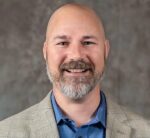
Craig Poe is the Chief Executive Officer of High Plains Mental Health Center, serving rural and frontier communities across Northwest Kansas. He leads a Certified Community Behavioral Health Clinic responsible for outpatient services, 24 hour mobile crisis response, and a Crisis Stabilization Unit, with a strong focus on access, workforce sustainability, and operational resilience in under resourced settings.
Since joining High Plains Mental Health Center in 2024, Craig has overseen significant system expansion, including launching one of the first Transcranial Magnetic Stimulation programs within a Community Mental Health Center nationally and advancing development of a regional Crisis Intervention Center to strengthen crisis response and reduce pressure on emergency rooms and law enforcement.
Craig brings extensive experience in rural behavioral health operations, workforce strategy, reimbursement challenges, and cross sector partnerships. Prior to his current role, he served as Chief Operating Officer at Pawnee Mental Health Services, overseeing operations across ten rural counties. His background also includes leadership roles in human resources, business management, and operations outside healthcare, giving him a practical, systems focused perspective on organizational leadership.
A sixth generation Kansan, Craig holds a master’s degree in management and leadership and is certified as a Senior Professional in Human Resources. His work is grounded in real world experience and a deep commitment to building sustainable behavioral health systems that meet rural communities where they are.
The Great Divide: Bridging The Gap Between Clinical & Financial Executives
In many behavioral health organizations, clinical and financial leaders share the same mission—but speak very different languages. Misalignment between clinical and financial priorities can stall innovation, hinder operational performance, and create internal friction that ultimately impacts patient care.
This session explores practical strategies for bridging the communication and collaboration gap between clinical and financial executives. Learn how forward-thinking organizations are creating integrated leadership models that align care quality with financial sustainability—ensuring that both patient outcomes and business health move forward together.
Key Takeaways Include:
- Explore frameworks for aligning financial strategy with clinical priorities
- Learn how to create a culture of collaboration, transparency, and mutual respect
- Gain actionable insights to drive data-informed decisions that support both care and cost
Charles Gagnon

Since taking the helm at VOAMASS in 2019, Charles has used his extensive experience to champion whole-person, integrated care as the organization’s service model and mission.
Charles is known throughout Massachusetts as a leader in community development and an advocate of innovative services. He uses his expertise in the areas of behavioral health, affordable housing, and workforce development to establish programs and policy aimed at ending housing, health, and income disparities.
Charles serves on the boards of the Association for Behavioral Healthcare and Massachusetts Workforce Association, as well as the national Volunteers of America organization and its Church governing board.
Prior to joining VOAMASS, Charles spent 25 years at the South Middlesex Opportunity Council (SMOC), serving as Chief Operating Officer from 2008-2019. During his tenure at SMOC, Charles was instrumental in leading the SMOC Housing Corporation, developing and managing more than 2,000 housing units across the Commonwealth. He holds a master’s degree from the Columbia University School of International and Public Affairs and a bachelor’s degree from Saint John’s University in Minnesota.
Mindy Miller, LMHC, LADC1

Mindy joined the VOAMASS team in 2011 and has served as its Chief Operating Officer since 2022. As COO, Mindy oversees program planning, development, and implementation across multiple service areas, including residential and outpatient treatment, veteran services, and re-entry for justice-involved individuals.
Mindy began her career at VOAMASS as a mental health clinician, later serving as Director of Outpatient Services and Vice President of Integrated Services. Mindy has led the development of the VOAMASS integrated care model; implemented standardized quality metrics and continuous quality improvement processes to support migration toward measurement-based care; and designed and implemented consistent protocols for engagement, intake, assessment, and triage.
Mindy holds a bachelor’s degree from the University of Colorado, a master’s degree in forensic psychology from Roger Williams University, and a Certificate of Advanced Graduate Studies in Mental Health Counseling from Bridgewater State University. Mindy is a Licensed Mental Health Counselor (LMHC) and Licensed Substance Use Disorder Counselor (LADC1). She is a past awardee of the national Volunteers of America (VOA) Leadership in Excellence award and a VOA Commissioned minister.
Preparing For Impact: Performance Management As A Financial Sustainability Tool
Behavioral health leaders face a defining opportunity: to turn data into a strategic asset that drives sustainable growth and lasting impact. Join Monica E. Oss, Chief Executive Officer of OPEN MINDS, as she explores how executive teams can move beyond data collection to true data fluency – embedding analytics into decision-making, performance improvement, and organizational culture.
Monica E. Oss
Monica E. Oss, M.S. is the founder of OPEN MINDS and serves as its chief executive officer, executive editor of its publications and websites, and executive lead of its consulting engagements. For the past three decades, Ms. Oss has led the OPEN MINDS team and its research on health and human service market trends and its national consulting practice. She is well known for her numerous books and articles focused on the strategic and marketing implications of the evolving health and human service field – and its focus on the verticals of the field serving consumers with chronic conditions and complex support needs.
Ms. Oss has extensive experience in developing and implementing growth strategies for a wide array of organizations in the field. She has expertise in industry trend analysis, reimbursement, rate setting, and creating actionable plans for market success. In her role, she has led numerous engagements with state Medicaid plans, county governments, private insurers, and health plans, service provider organizations, technology vendors, neurotechnology and pharmaceutical organizations, and investment banking firms – with a focus on the implications of financing changes on delivery system design.
Prior to founding OPEN MINDS, Ms. Oss served as an executive with a nationally managed behavioral health organization, responsible for market development, actuarial analysis, and capitation-based rate setting. She also held a position as vice president of the U.S. risk management and underwriting division of an international insurance company.
Ms. Oss has been the keynote speaker at the conferences of dozens of national associations and has been published in a wide range of professional journals and trade publications. She has provided Congressional and state legislative testimony on issues as diverse as the financial impact of parity and payer medication access policies.
Ms. Oss has led a range of industry research and consultation initiatives, serving as principal investigator on research projects that include the examination of national managed care enrollment and service patterns, development of provider rate structures for government entities, creation of return-on-investment models for technology investments; design of performance-based compensation models within public and private health plans; and analysis of the economic impact of changes in benefit design, adoption of evidence-based practices, and new technologies.